




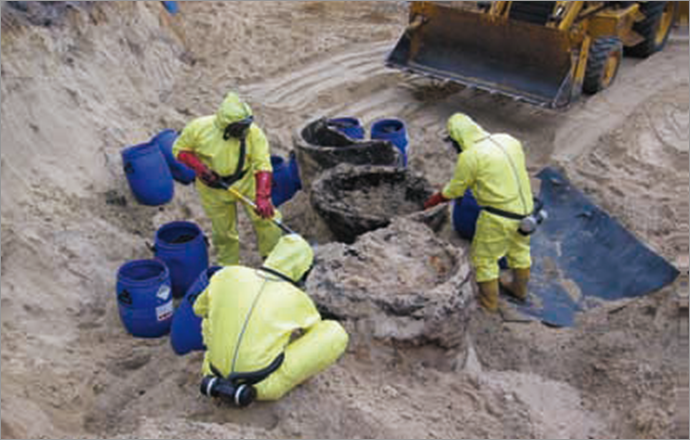
With a signing ceremony this week in Dushanbe the Food and Agriculture Organization of the United Nations (FAO) and the Committee for Environmental Protection under the Government of Tajikistan launched a new project to reduce persistent organic pollutants (POPs) releases from obsolete pesticide stockpiles and contaminated sites.
According to FAO Country Office in Tajikistan, the project focuses on countries from the former Soviet Union region, including Azerbaijan, Kazakhstan, Kyrgyz Republic and Tajikistan, as well as Turkey. At the heart of the project is an active collaboration between the Ministries of Agriculture and Health and Social Protection of the Population, as well as private and civil sectors.
The overall objective of the project is reportedly in strengthening the capacity for sound management of pesticides in agriculture and avoiding build-up additional stockpiles in the future in the spirit of sustainable agriculture.
This initiative implies safely destroying of persistent organic pollutants (POPs) and other obsolete pesticides, remediating pesticide-contaminated sites through strengthening the institutional and regulatory framework for managing pesticides through their life cycle.
Using sound environmental management methods to dispose of existing stocks and prevent further accumulation of POPs will result in the reduced exposure of farmers, consumers and the public to health threats from obsolete pesticides.
The project seeks to reduce the risk to public health and the environment posed by poor pesticide management and obsolete pesticide waste through the development of a national risk profile of contaminated sites and other POPs, pesticide-contaminated materials.
The project will result in an inventory of and the development of detailed site-specific waste management plans followed by the development and implementation of national actions for effective POPs waste management for existing and potential future wastes.
Tajikistan is strongly interested in strengthening life cycle management of chemicals, used in agriculture to prevent the recurrence of obsolete stocks. A large amount of pesticides continue to be used in food production and the project aims to promote strategies for sustainable agricultural production while reducing hazardous pesticide use.


GBAO and Khatlon province complete spring draft target early
Chronicle of the month: March, 2026
Donald Trump states US ready to end war with Iran without a Deal
Kyrgyzstan launches domestic production of national currency
Windy April: weather forecast for Tajikistan
Tajikistan faces continued religious freedom challenges
The Judo Grand Slam in Dushanbe: what to expect
New developments in Isfara: schools, power substation, and coal mine opened
Iran claims drone factory in Tajikistan, but no evidence surfaces
Nuclear raid or breaking the blockade: why Trump wants thousands of Marines and paratroopers off the shores of Iran
All news
Авторизуйтесь, пожалуйста