




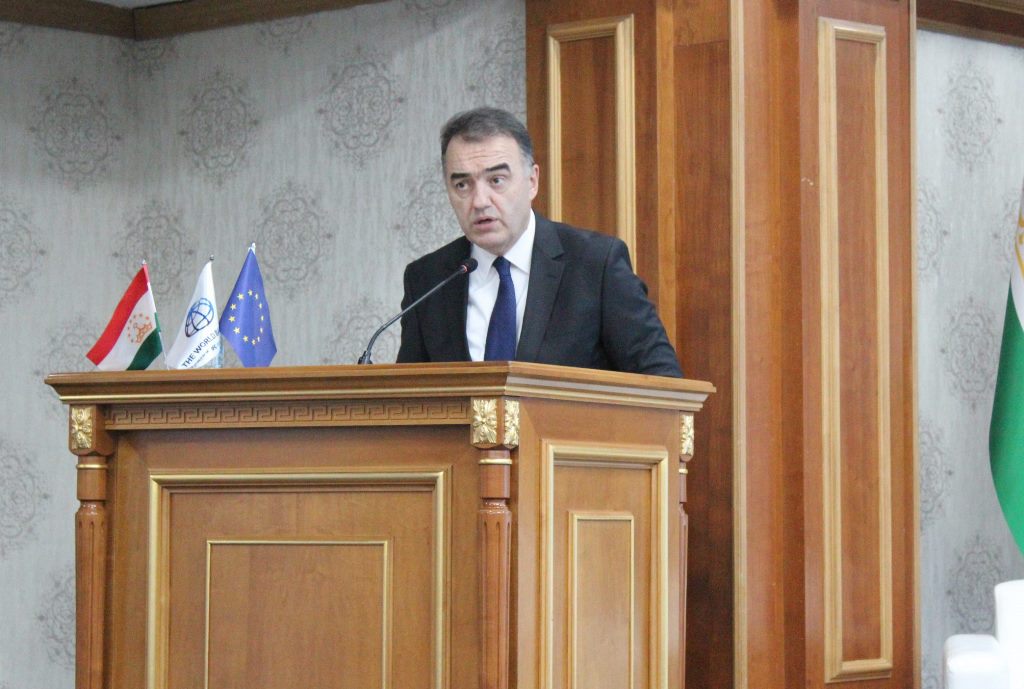
Tajikistan is positioning itself as a central player in the energy sector of Central and South Asia, with a focus on developing its vast hydropower resources and ensuring the country's energy independence, according to Daler Juma, Tajikistan’s Minister of Energy and Water Resources.
Speaking at the Dushanbe Invest–2025 International Investment Forum on October 14, Juma emphasized Tajikistan's hydropower potential, which stands at 527 billion kilowatt-hours of clean and economically viable electricity annually.
The Roghun Hydropower Plant, one of the largest in the region, is already contributing significantly to the country’s energy supply. Juma noted that the two operational units of the plant have produced nearly 10 billion kilowatt-hours of electricity so far.
“With a total installed capacity of 3,780 MW, the completed Rogun HPP will not only enhance Tajikistan’s energy security but also supply clean energy to countries in Central and South Asia, including Afghanistan and Pakistan,” Juma added.
Tajikistan’s solar and wind potential
The Minister also highlighted that Tajikistan enjoys up to 300 sunny days a year, making it ideal for solar energy production. Early estimates suggest that the country’s northern regions alone could generate over 4,600 MW of solar power and 580 MW of wind energy. However, these resources remain largely untapped.
“These energy resources remain underutilized, and there is great potential for development,” Juma said, underscoring the need for investment and infrastructure development in these areas.
Key topics discussed at forum
The Dushanbe Invest–2025 forum also focused on the energy market of Tajikistan, the process of its formation, and the involvement of the private sector in the development of renewable energy sources, including hydropower, solar, and wind energy. The discussions also touched on the importance of public-private partnerships for further energy sector growth.
New agreements signed
On the same day, Tajikistan’s Ministry of Energy and Water Resources signed several key agreements with various companies, including three protocols and two memorandums of understanding. These documents focus on the construction of solar and wind power plants and the development of educational projects in the energy sector.
Tajikistan's growing energy potential, especially in renewable resources, is expected to make it an important energy exporter, benefiting both domestic needs and regional energy markets in Central and South Asia.


GBAO and Khatlon province complete spring draft target early
Chronicle of the month: March, 2026
Donald Trump states US ready to end war with Iran without a Deal
Kyrgyzstan launches domestic production of national currency
Windy April: weather forecast for Tajikistan
Tajikistan faces continued religious freedom challenges
The Judo Grand Slam in Dushanbe: what to expect
New developments in Isfara: schools, power substation, and coal mine opened
Iran claims drone factory in Tajikistan, but no evidence surfaces
Nuclear raid or breaking the blockade: why Trump wants thousands of Marines and paratroopers off the shores of Iran
All news
Авторизуйтесь, пожалуйста