




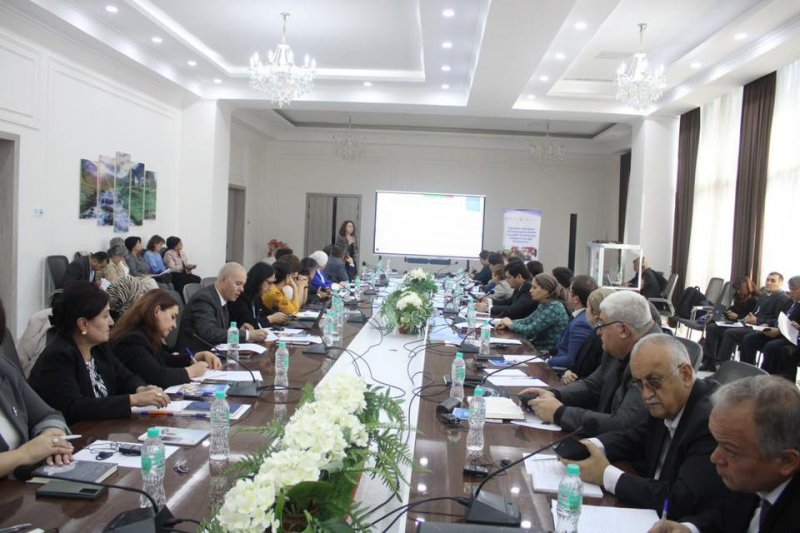
Tajikistan is in the process of drafting a new State Program aimed at improving population nutrition for the period 2026–2030. The proposed plan was discussed during a recent meeting in Dushanbe, attended by representatives from the Ministry of Health and Social Protection of the Population and other relevant government bodies, according to the Khovar news agency.
Participants also reviewed the results of the current Multisectoral Nutrition Improvement Plan for 2021–2025 and discussed strategies to extend and strengthen existing measures.
According to organizers, the new program will focus on improving the overall quality of nutrition across the country and addressing widespread issues such as anemia, micronutrient deficiencies, and obesity. The meeting underscored that proper nutrition is not only a fundamental human right but also a critical component of public health, economic development, and sustainable growth.
Current program goals and challenges
The current plan, which runs until the end of 2025, sets out the following targets:
· Reduce stunting in children by 40%;
· Cut anemia in women of reproductive age by 50%;
· Decrease the rate of low birth weight by 30%;
· Bring child wasting down to less than 5%;
· Prevent an increase in childhood overweight;
· Reduce adult obesity by 30%.
The program includes a comprehensive set of actions: improving maternal and child nutrition, combating vitamin and mineral deficiencies, expanding access to clean water and sanitation, developing school feeding programs, and promoting public awareness on healthy lifestyles.
The next phase: building on progress
The new five-year strategy is expected to build on the progress made so far. It aims to further strengthen cross-sector collaboration between the health, agriculture, education, and social protection sectors.
According to World Bank estimates, Tajikistan will need approximately 15.2 billion somonis (about $1.4 billion) in investment to meet its national nutrition targets by 2030.
Concerning trends, but signs of improvement
Data from the World Health Organization shows that 50.8% of the Tajik population is overweight, with 16.9% classified as obese. However, experts also point to encouraging trends, such as reduced salt intake and increased consumption of fruits and vegetables.
 Руcский
