




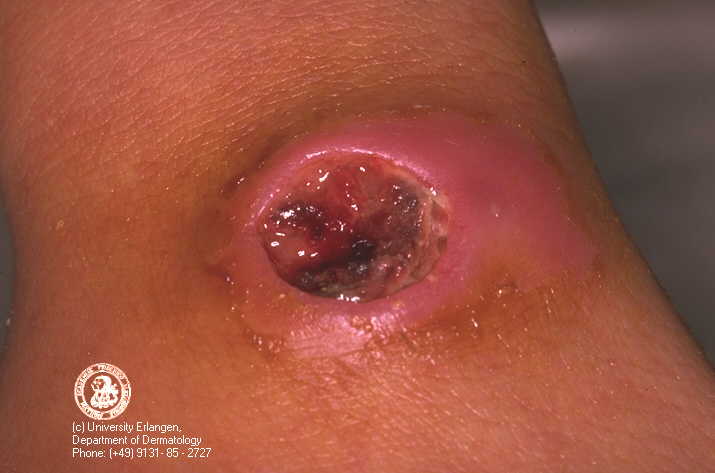
DUSHANBE, July 15, 2013, Asia-Plus -- Cases of anthrax have been reported in two districts of the northern province of Sughd.
“Cases of anthrax have been registered in the Ayni and Panjakent districts,” Nasibjon Ikromov, the first deputy head of the Sughd sanitary and epidemiological center, told Asia-Plus in an interview.
According to him, two cases of anthrax have been registered in Ayni and four cases of anthrax have been registered in Panjakent. “The anthrax patients from Ayni have been taken to the hospital in Khujand for further medical treatment,” Ikromov added.
Anthrax is an acute disease caused by the bacterium Bacillus anthracis. Most forms of the disease are lethal, and it affects both humans and animals. There are effective vaccines against anthrax, and some forms of the disease respond well to antibiotic treatment.
Like many other members of the genus Bacillus, Bacillus anthracis can form dormant endospores (often referred to as “spores” for short, but not to be confused with fungal spores) that are able to survive in harsh conditions for decades or even centuries. Such spores can be found on all continents, even Antarctica. When spores are inhaled, ingested, or come into contact with a skin lesion on a host, they may become reactivated and multiply rapidly.
Anthrax commonly infects wild and domesticated herbivorous mammals that ingest or inhale the spores while grazing. Ingestion is thought to be the most common route by which herbivores contract anthrax. Carnivores living in the same environment may become infected by consuming infected animals. Diseased animals can spread anthrax to humans, either by direct contact (e.g., inoculation of infected blood to broken skin) or by consumption of a diseased animal''s flesh.


GBAO and Khatlon province complete spring draft target early
Chronicle of the month: March, 2026
Donald Trump states US ready to end war with Iran without a Deal
Kyrgyzstan launches domestic production of national currency
Windy April: weather forecast for Tajikistan
Tajikistan faces continued religious freedom challenges
The Judo Grand Slam in Dushanbe: what to expect
New developments in Isfara: schools, power substation, and coal mine opened
Iran claims drone factory in Tajikistan, but no evidence surfaces
Nuclear raid or breaking the blockade: why Trump wants thousands of Marines and paratroopers off the shores of Iran
All news
Авторизуйтесь, пожалуйста