




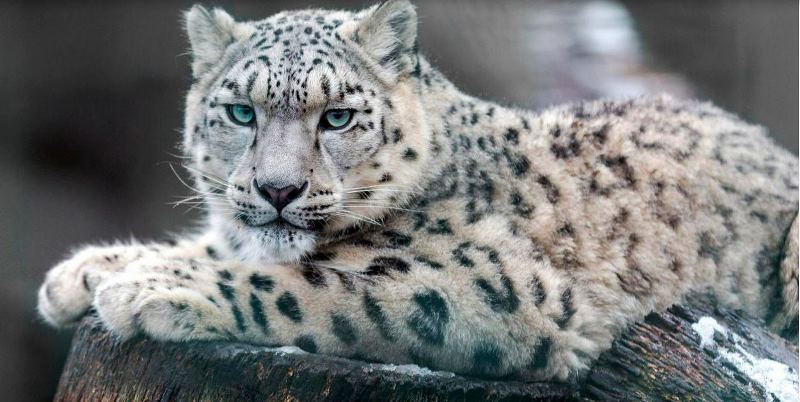
October 23 marks the worldwide observance of Snow Leopard Day. This elusive big cat — also known as the irbis or ounce — is native to the mountainous regions of Central and South Asia and is now listed as a vulnerable species by the International Union for Conservation of Nature (IUCN), Fergana news agency reported on October 23.
Wide‑ranging habitat, serious threats
The snow leopard is adapted to cold, high‑altitude environments. Its body length (head + body) may reach 100–130 cm, with a bushy tail up to 80–105 cm long, and weights ranging between 22 and 40 kg. It inhabits ranges from the Hindu Kush in eastern Afghanistan, across the Pamirs, Tien Shan, Karakoram and Himalayas, all the way to the Altai and Sayan mountains in southern Siberia.
Estimated global numbers of snow leopards vary widely, from around 3,500 to 7,500 individuals. The major threats facing the species include habitat loss and fragmentation, depletion of prey species, poaching and illegal trade, climate change, and human‑wildlife conflict.
Regional efforts in Central Asia
In the four post‑Soviet Central Asian republics where the snow leopard is found – Kazakhstan, Kyrgyzstan, Tajikistan and Uzbekistan – a variety of conservation efforts are underway to protect the species and its ecosystem.
For example, in Kyrgyzstan a volunteer group of rangers has been formed to patrol some of the harshest terrain in the Tien Shan mountains, covering around 380 square kilometers of remote protected area. Some of the volunteers are former hunters who now understand the damage caused by wildlife trafficking. One ranger commented: “We decided to begin this, otherwise we will lose everything… I want children to see these animals with their own eyes.”
Education and community‑based alternative livelihoods (such as beekeeping, greenhouse farming, cheese‑making) are being used to reduce pressure on high‑pasture lands and mitigate conflict between herders and predators.
In Uzbekistan, the government has gone so far as to establish a national action plan for snow leopard conservation (valid until 2030), and to impose hefty fines for poaching or harming the species — for citizens the penalty runs into 1.2 billion Uzbek soms (equivalent to US$99,000) and for foreigners US$,400,000.
Symbolism and cultural significance
The snow leopard carries significant symbolic weight in the region. It is a national symbol in both Kyrgyzstan and Kazakhstan, where it has been used in heraldry, currency design and national emblems. The high‑altitude cat’s image evokes strength, freedom and connectivity to the mountainous landscapes of Central Asia.
In many ways, the fight for the snow leopard’s survival is also a fight for the preservation of mountain ecosystems — which provide water, biodiversity and climate resilience for millions of people in the region.
Looking ahead
As countries mark International Snow Leopard Day, the message is clear: protecting this “ghost of the mountains” requires not only wildlife‑focused interventions, but also broader engagement with local communities, cross‑border cooperation, climate‑adapted livelihood strategies and strong legislative tools.
The snow leopard may be elusive, but the mountain world it inhabits is under far more visible pressure — and the future of both is tied together.


GBAO and Khatlon province complete spring draft target early
Chronicle of the month: March, 2026
Donald Trump states US ready to end war with Iran without a Deal
Kyrgyzstan launches domestic production of national currency
Windy April: weather forecast for Tajikistan
Tajikistan faces continued religious freedom challenges
The Judo Grand Slam in Dushanbe: what to expect
New developments in Isfara: schools, power substation, and coal mine opened
Iran claims drone factory in Tajikistan, but no evidence surfaces
Nuclear raid or breaking the blockade: why Trump wants thousands of Marines and paratroopers off the shores of Iran
All news
Авторизуйтесь, пожалуйста