




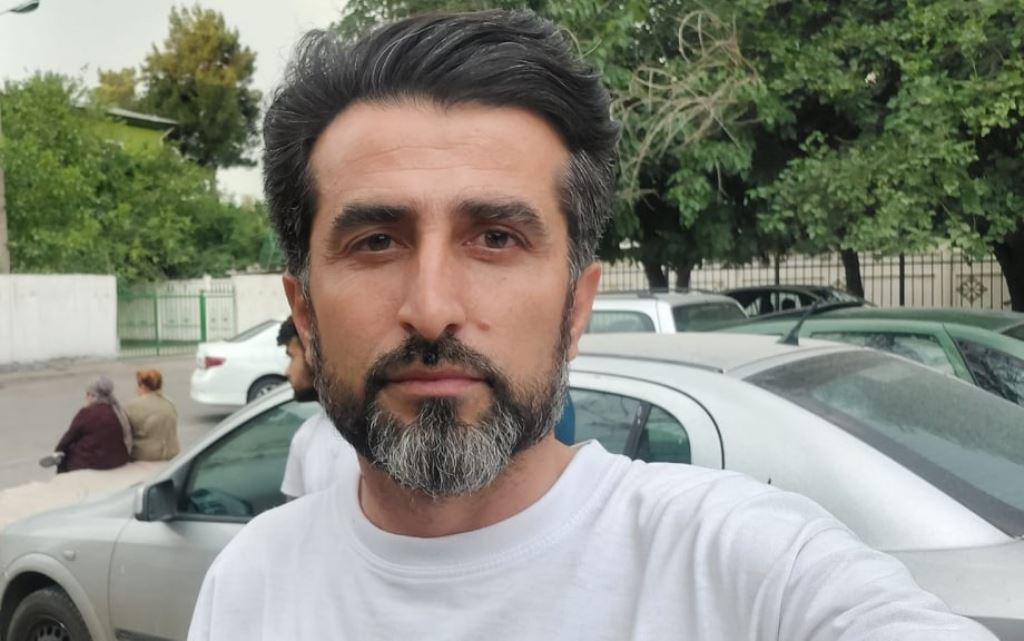
The health condition of imprisoned journalist Abdusattor Pirmuhammadzoda continues to raise serious concerns. According to his relatives, he was recently transferred from a penal colony in Khujand to the Dushanbe-based high-security prison No. 1, but the urgent surgery he needs has not yet been performed.
The journalist’s brother told Asia-Plus that Pirmuhammadzoda was first transferred from Khujand to Dushanbe, then sent to the prison hospital in Vahdat. About a month ago, he was moved again to prison No.1 in the capital, where, according to facility staff, he will serve the remainder of his sentence.
“Five days ago we brought him a care package, but we weren’t allowed to see him. Now we’re told we can only send parcels once every three months and visit once every six months. His condition is serious — he needs surgery. What happens next is in God’s hands,” his brother said.
Authorities have not commented on his medical condition or the claims made by his family.
Relatives say the journalist developed health problems while in custody, including inflammation of the gallbladder and severe kidney pain. Between March and August this year, Pirmuhammadzoda was held in a penal isolation ward (shizo) in the Khujand prison, where his health reportedly deteriorated significantly.
In September, he was moved to a detention center in Dushanbe and later to the prison hospital in Vahdat, but has not received the required surgery.
Following the publication of reports about his condition, the Committee to Protect Journalists (CPJ) called on the Tajik authorities to provide Pirmuhammadzoda with immediate medical assistance. So far, officials have not responded.
Abdusattor Pirmuhammadzoda was sentenced to seven years in prison in December 2022 on charges of participating in banned organizations — allegations he and his family have repeatedly denied.
In a letter from the detention center shortly after his arrest, Pirmuhammadzoda said he had been subjected to psychological pressure and torture from the outset, in an attempt to force him to confess to what he called “fabricated charges.” The Prosecutor General’s Office of Tajikistan has denied those claims.
In recent years, Tajik authorities have arrested more than a dozen journalists and bloggers and sentenced them to long prison terms, mostly on charges of extremism. There are also reports of at least seven deaths in prisons, the main cause of which was the untimely provision of medical care. The demands of human rights organizations to investigate these incidents and release the journalists have not yet been met.
 Руcский
