





On November 27, Dushanbe hosted the official launch of the Global Human Development Report 2025 — the flagship publication of the United Nations Development Programme (UNDP), which has shaped the global understanding of sustainable development for over 35 years.
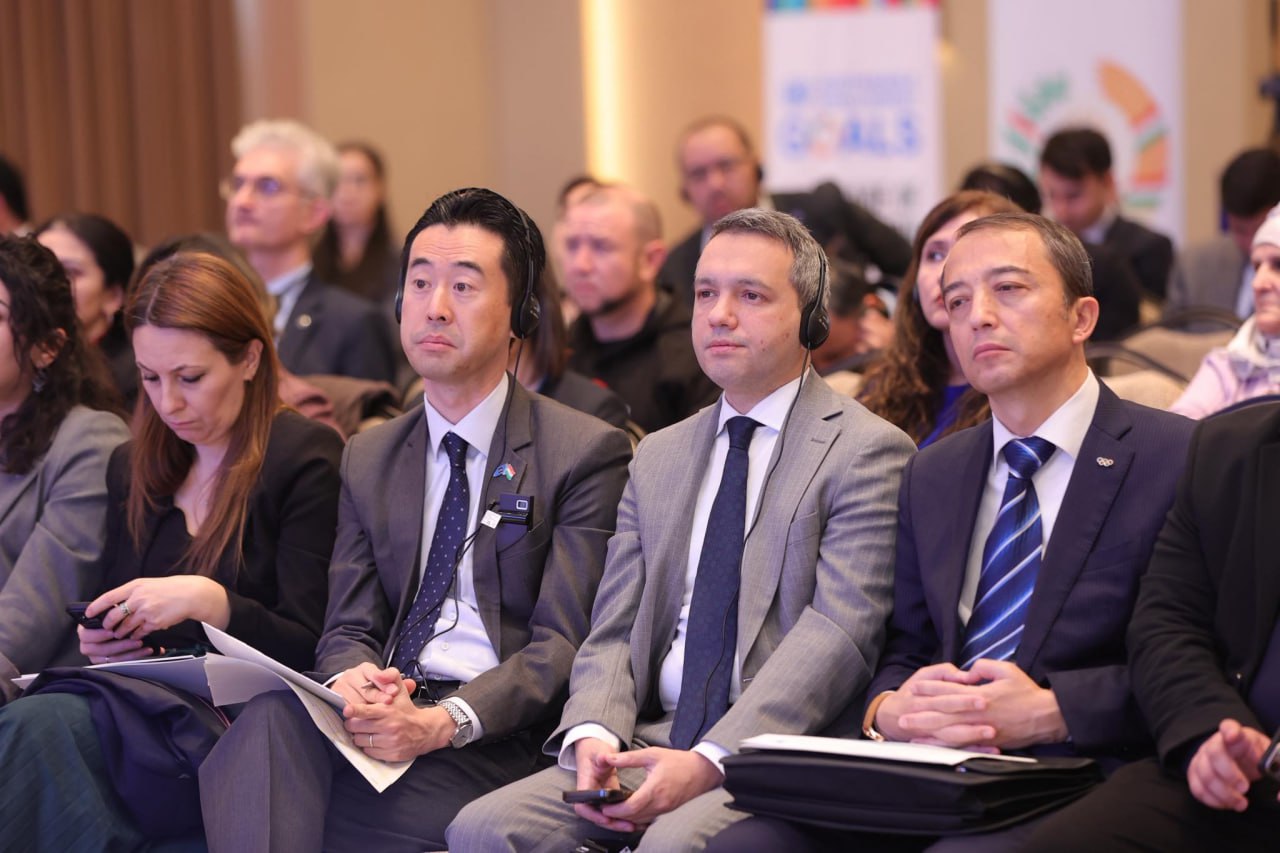
The event brought together representatives of the government, international organizations, academia, civil society, and the media, highlighting UNDP’s commitment to innovation and new approaches in addressing global challenges.
The launch in Tajikistan coincided with two milestones: the 60th anniversary of UNDP and the 32nd anniversary of its partnership with Tajikistan. Participants discussed the key findings of the latest report, titled “A Question of Choice: People and Opportunities in the Age of Artificial Intelligence.”
AI and the challenges of a new era
The report emphasizes that the rapid advancement of technologies — particularly artificial intelligence (AI) — offers vast opportunities to expand human freedoms. At the same time, these developments are deepening global inequalities and introducing new challenges.
According to the report, human development progress has slowed in many countries. This calls for thoughtful policies focused on equitable access to technology, stronger social protections, and the development of digital public goods.
The report also stresses the need for investments in human capital — especially in education, healthcare, and the empowerment of women and youth.
Development indicators and prospects in Tajikistan
The report provides a detailed overview of human development trends in Tajikistan. The country’s Human Development Index (HDI) increased from 0.549 in 1993 to 0.691 in 2023, placing Tajikistan in the category of countries with medium human development.
Progress has been recorded in education, healthcare, income, and overall quality of life. According to the report, 25% of Tajikistan’s population are children under 14, and around 20% are youth — highlighting the crucial role of digital technologies and AI in shaping future generations.
Projections indicate that by 2030, the use of AI in healthcare in Tajikistan will grow by 45%, and in education by 40%. These trends suggest strong potential for accelerated development, provided technologies are implemented wisely.
Currently, Tajikistan ranks 128th in HDI among CIS countries. However, integrating modern digital solutions into governance, education, and social services could significantly improve the quality of life.

The event concluded with a high-level panel discussion involving government officials, international partners, and private sector representatives. Participants explored how AI can be integrated into Tajikistan’s economy and social policy to ensure equitable access to services and support sustainable development.
 Руcский
