




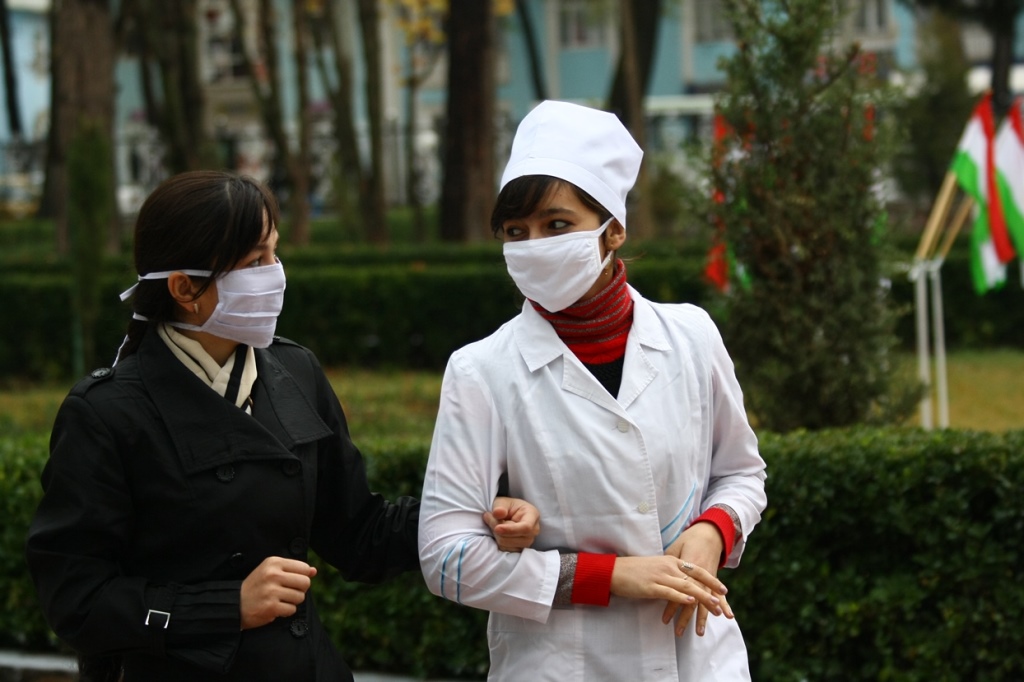
Seasonal flu strains A/H3N2 ("Hong Kong flu") and A/H1N1 ("swine flu") are currently circulating in Tajikistan, according to the Ministry of Health. Officials say these viruses have been present in the country for years and are part of the typical seasonal illness surge.
While the ministry sees no cause for alarm, doctors in some regions report a sharper rise in cases and more pronounced symptoms than last year.
"These viruses are not new threats. They’ve long adapted to humans and circulate globally, including in Tajikistan," the ministry stated.
Both flu strains have similar symptoms: sudden high fever, muscle and joint aches, headache, dry cough, weakness, chills, nasal congestion, and sore throat. Symptoms typically appear within days of infection.
The viruses are part of the standard winter season's respiratory infections.
Health ministry: situation under control
The ministry emphasizes that case tracking is based on the number of visits to health facilities. As of now, the illness rate remains within seasonal norms, although no exact statistics were provided.
Parents are urged to consult family or district doctors at the first signs of illness in children. Self-treatment — especially of children — is strongly discouraged due to risks of complications and mismanagement.
Standard prevention measures include:
· adhering to treatment regimens,
· avoiding crowded places,
· maintaining hygiene and regular ventilation,
· wearing masks when symptomatic.
Authorities assure the public that the situation is under control, with ongoing flu strain monitoring. The current wave is considered seasonal and manageable with appropriate care.
Doctors report regional disparities
In Isfara, doctors note only a slight increase in flu-related complaints. However, Khujand is seeing a surge, particularly among children — many arriving with complications.
Due to a lack of virology labs, the dominant strain remains unclear. Still, physicians say this flu season shows faster onset of high fever (39°C–40°C), severe weakness, and gastrointestinal symptoms, especially in children.
“About 20–30% of children show ENT infections and digestive issues. One in five needs hospitalization — but beds are limited, so many are treated at home,” said a Khujand doctor.
A Dushanbe physician noted a rise in H3N2 cases this year: “The Hong Kong flu is always around, but now we’re seeing more cases, longer recovery, persistent cough, and more severe illness.”
All healthcare workers in Tajikistan receive annual flu vaccinations free of charge, as they are among the most exposed groups during flu season.
How school quarantines are decided
Quarantine decisions in schools and kindergartens are not automatic. If more than 30% of students in a class fall ill, that class may be suspended. If over 60% of students are absent in an entire school, classes may be paused across the institution.
These thresholds are used to ensure timely response and limit transmission. Decisions are jointly made by the Ministries of Health and Education based on reports from schools and health centers.
Regional trends
Other Central Asian countries are also facing surges in H3N2 flu cases.
Kazakhstan has reported a significant rise in child infections. As of December 2, 663 schools and nearly 6,800 classes had moved to remote learning across 13 regions. In cities like Astana, targeted closures, mask mandates, and extended clinic hours are in place.
Kyrgyzstan reports thousands of sick children, and temporary school closures are being considered in affected areas.
Russia confirms seasonal circulation of H3N2 and H1N1. About 80% of cases are H3N2. High-risk groups include the elderly, children, and those with chronic illnesses. Some regions have already begun partial school closures.
Where to get the flu vaccine in Tajikistan?
Doctors recommend annual vaccination, but public clinics currently lack flu vaccines. Some private clinics in Dushanbe offer the service:
· Prospekt Clinic: 600 somonis,
· Farabi Clinic: 550 somonis,
· Diamed: not currently offering flu shots.


GBAO and Khatlon province complete spring draft target early
Chronicle of the month: March, 2026
Donald Trump states US ready to end war with Iran without a Deal
Kyrgyzstan launches domestic production of national currency
Windy April: weather forecast for Tajikistan
Tajikistan faces continued religious freedom challenges
The Judo Grand Slam in Dushanbe: what to expect
New developments in Isfara: schools, power substation, and coal mine opened
Iran claims drone factory in Tajikistan, but no evidence surfaces
Nuclear raid or breaking the blockade: why Trump wants thousands of Marines and paratroopers off the shores of Iran
All news
Авторизуйтесь, пожалуйста