




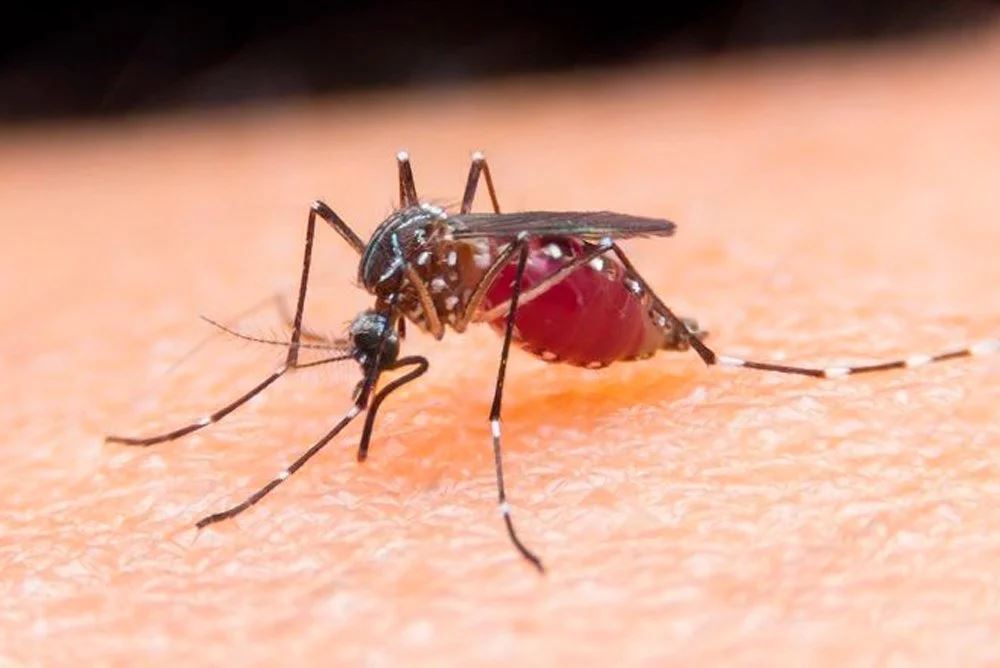
Chinese authorities have reinstated strict public health measures in several provinces and cities following a sudden outbreak of the mosquito-borne Chikungunya virus. The resurgence has prompted comparisons to the pandemic-era restrictions of COVID-19.
According to Bloomberg, over 6,500 cases have been recorded in less than a month in Foshan, a city in the southern Guangdong province. The BBC’s Russian Service reports that as of August 6, the number of infections across the province has surpassed 7,000.
In response to the virus's rapid spread, the government launched mass testing campaigns, community-level disinfection, and collection of citizens' movement data. Pharmacies are now required to log information about customers purchasing any of 47 medications associated with symptom relief.
A citywide mosquito eradication campaign began in Foshan, lasting seven days. The initiative includes disinfection drives, public mobilization to remove stagnant water, and promotion of mosquito net usage. Local media report that hotels, restaurants, and businesses failing to eliminate standing water risk fines of up to 1,000 yuan (approximately $140).
Authorities have also introduced mosquito-eating fish into bodies of water and released “elephant mosquitoes,” a species known to prey on common mosquito carriers of the virus.
Despite the resemblance to COVID-19 protocols, Bloomberg notes that no official travel restrictions have been enforced yet. A temporary 14-day quarantine for individuals who had recently visited Foshan was briefly imposed in nearby cities such as Shenzhen but has since been lifted.
Nevertheless, public reaction in China has been mixed. On the social media platform Weibo, users questioned the necessity of the measures. “It all feels so familiar. But is this really necessary?” one user wrote. Another added, “What’s the point of a quarantine? It’s not like an infected person is going to bite someone!”
Virus sparks public concern, though symptoms remain mild
Chikungunya is a virus transmitted exclusively by mosquitoes and is not contagious between humans. Its incubation period ranges from two to twelve days. Despite the growing number of cases, health authorities emphasize that most infections have been mild.
"The Chinese government has activated national infection response protocols. According to official reports, symptoms remain mild in all recorded cases, with 95% of patients discharged within a week," the BBC reports. Still, the emergence of a relatively unknown virus has triggered widespread anxiety among the public.
Though common in parts of South and Southeast Asia as well as Africa, Chikungunya is rare in China. The virus was first identified 70 years ago in Tanzania. Its name originates from the local Makonde language and translates roughly to “to become contorted,” referencing the joint pain associated with the illness.
In addition to Foshan, cases have been confirmed in at least 12 other cities across Guangdong, with nearly 3,000 new infections reported in just the past week. On Monday, Hong Kong registered its first case — a 12-year-old boy who had visited Foshan in July developed symptoms including fever, rash, and joint pain.
Authorities in Guangdong have pledged decisive action to contain the outbreak. Citizens experiencing symptoms are urged to seek immediate medical attention and undergo testing.
Symptoms of Chikungunya Include: high fever (up to 40°C); severe muscle and joint pain (lasting weeks or months); headache; fatigue; nausea; and skin rash.
Symptoms typically appear 3–7 days after a mosquito bite. Most patients recover within a week, though joint pain can persist for months or even years in severe cases. The virus is particularly dangerous for newborns, the elderly, and individuals with heart conditions or diabetes. While no cure exists, fatal outcomes are extremely rare.
 Руcский
