




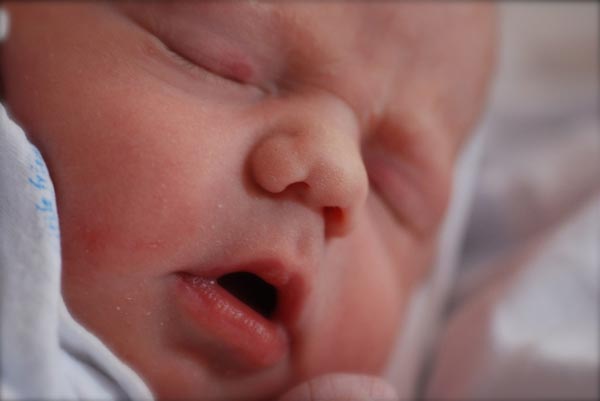
DUSHANBE, December 12, 2013, Asia-Plus – Tajikistan reportedly has the lowest birth registration level among the CIS nations – 88 percent.
According to the UNICEF report, Every Child’s Birth Right: Inequities and Trends in Birth Registration , which was released on December 11 on UNICEF’s 67th birthday, twelve percent of children under-five have not been registered in Tajikistan.
In Armenia, Belarus, Kazakhstan, Moldova, Russia, Ukraine and Uzbekistan, all 100 percent of children under-five have reportedly been registered.
In Turkmenistan and Kyrgyzstan, the birth registration level is reportedly 96 percent.
According to the report, the births of nearly 230 million children under-five have never been registered; approximately one in three of all children under-five around the world.
Globally in 2012, only around 60 per cent of all babies born were registered at birth. The rates vary significantly across regions, with the lowest levels of birth registration found in South Asia and sub-Saharan Africa.
The 10 countries with the lowest birth registration levels are: Somalia (3%), Liberia (4%), Ethiopia (7%), Zambia (14%), Chad (16%), United Republic of Tanzania (16%), Yemen (17%), Guinea-Bissau (24%), Pakistan (27%) and Democratic Republic of the Congo (28%).
Even when children are registered, many have no proof of registration, the report says. In Eastern and Southern Africa, for example, only about half of the registered children have a birth certificate. Globally, 1 in 7 registered children does not possess a birth certificate. In some countries, this is due to prohibitive fees. In other countries, birth certificates are not issued and no proof of registration is available to families.
Children unregistered at birth or without identification documents are often excluded from accessing education, health care and social security. If children are separated from their families during natural disasters, conflicts or as a result of exploitation, reuniting them is made more difficult by the lack of official documentation.
Birth registration, as an essential component of a country’s civil registry, also strengthens the quality of vital statistics, aiding planning and government efficiency.
According to UNICEF, unregistered births are a symptom of the inequities and disparities in a society. The children most affected by these inequities include children from certain ethnic or religious groups, children living in rural or remote areas, children from poor households or children of uneducated mothers.
Programs need to address the reasons that families do not register children, including prohibitive fees, unawareness of the relevant laws or processes, cultural barriers, and the fear of further discrimination or marginalization.


GBAO and Khatlon province complete spring draft target early
Chronicle of the month: March, 2026
Donald Trump states US ready to end war with Iran without a Deal
Kyrgyzstan launches domestic production of national currency
Windy April: weather forecast for Tajikistan
Tajikistan faces continued religious freedom challenges
The Judo Grand Slam in Dushanbe: what to expect
New developments in Isfara: schools, power substation, and coal mine opened
Iran claims drone factory in Tajikistan, but no evidence surfaces
Nuclear raid or breaking the blockade: why Trump wants thousands of Marines and paratroopers off the shores of Iran
All news