




DUSHANBE, March 18, 2014, Asia-Plus – Organized by the Ministry of Economic Development and Trade of Tajikistan in cooperation with the OSCE Office in Tajikistan, a two-day conference on the obligations arising from membership of Tajikistan in the World Trade Organization (WTO) in the field of telecommunications and broadcasting kicked off in Dushanbe on March 18.
The event reportedly brought together representatives from Tajikistan’s Government, Parliament, private sector and civil society as well as representatives from a number of diplomatic missions and international organizations active in the country.
Inaugurating the conference, Ambassador Markus Mueller, Head of the OSCE Office in Tajikistan, noted that the time has come to consider the obligations Tajikistan undertook after joining the WTO. International experts will help Tajikistan fulfill these obligations, Ambassador Mueller stressed.
Speaking at the conference, Deputy Minister of Economic Development and Trade, Saidrahmon Nazriyev, noted that Tajikistan had signed protocols on market access for goods with 16 countries and on market access for services with six counties.
“More than 100 normative legal documents have been brought into compliance with the WTO requirements and standards and new laws have been adopted,” Nazriyev noted.
He further added that telecommunications were very important for Tajikistan and “practically there are no any restrictions for this sector in Tajikistan’s market.”
The WTO is an international organization established in 1995 regulating trade among its members. The WTO is primarily concerned with the creation of an open, free and fair trade environment where all Members have equal access to wealth gains.
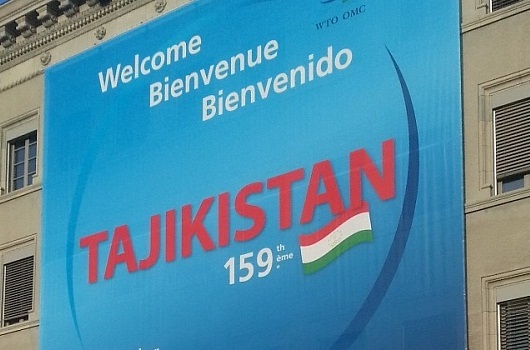
Tajikistan became the 159th full-fledged member of the WTO on March 2, 2013, after 11 years of negotiations. Tajikistan’s road to WTO began in 2001. Within this period Tajikistan conducted 9 meetings of the Working Group, 4 of which were held in 2012. Tajikistan conducted bilateral negotiations on market access for goods with 13 countries and market access for services with 6 countries. Relevant protocols were signed with each of these countries. Besides, more than a hundred of regulatory acts had been adopted and amended in the process of multilateral negotiations.


GBAO and Khatlon province complete spring draft target early
Chronicle of the month: March, 2026
Donald Trump states US ready to end war with Iran without a Deal
Kyrgyzstan launches domestic production of national currency
Windy April: weather forecast for Tajikistan
Tajikistan faces continued religious freedom challenges
The Judo Grand Slam in Dushanbe: what to expect
New developments in Isfara: schools, power substation, and coal mine opened
Iran claims drone factory in Tajikistan, but no evidence surfaces
Nuclear raid or breaking the blockade: why Trump wants thousands of Marines and paratroopers off the shores of Iran
All news