




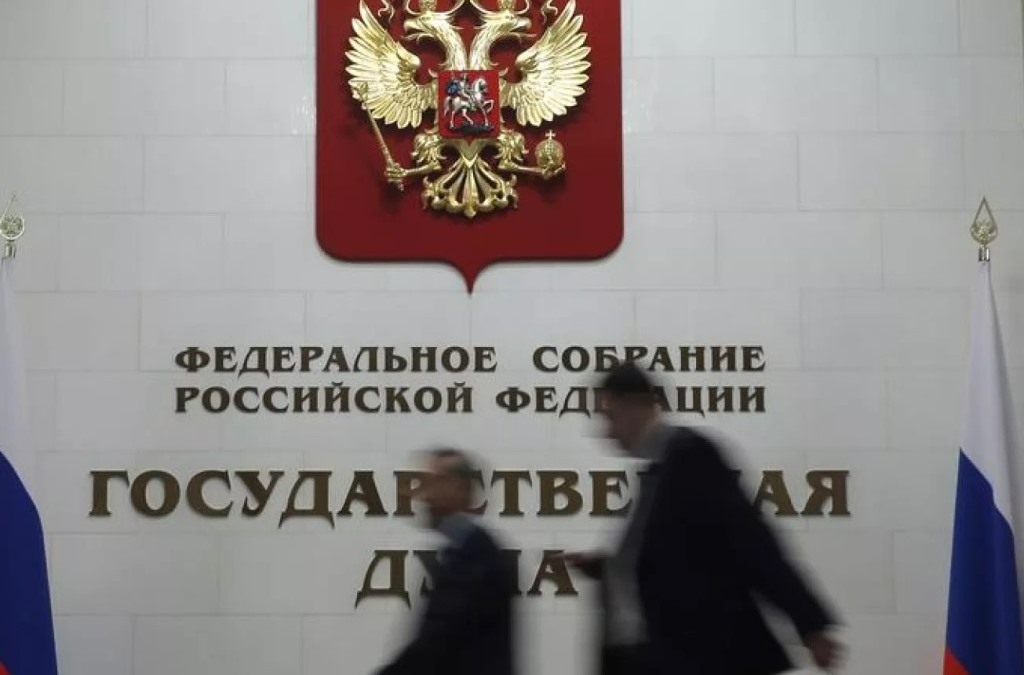
A group of Russian Communist Party (CPRF) lawmakers has triggered strong criticism after attaching a highly xenophobic explanatory note to a draft bill proposing restrictions on employment opportunities for migrants from Central Asia.
The controversial document, which is currently under review in the State Duma (Russia’s lower chamber of parliament), suggests banning migrants from working in healthcare, education, science, or holding managerial positions in both public and private sectors.
The language used in the explanatory note has alarmed observers and civil society, with numerous grammatical errors, informal phrasing, and openly offensive remarks directed at citizens of Central Asia’s nations. One of the passages reads: “They hire barely literate Asians as doctors who hardly speak Russian. More than half the nurses are Asians, wearing national costumes instead of medical uniforms. Russian applicants are not hired!”
The authors further complain about “bold and rude Asians” working as teachers, alleging they mock students and hold fake diplomas. In a tone of cultural disdain, the note also cites the presence of restaurants with names like “Chaykhona” at Sheremetyevo Airport as evidence of “Asian expansion.”
The document even raises unfounded security concerns, suggesting that janitors and cleaners of Asian origin pose risks of extremism: “A cleaner might seem harmless, but they have access to every office and document. A wrongdoer in such a position could cause serious harm. Planting an explosive device would be no problem,” the authors claim.
The note also criticizes the presence of migrants in public institutions, asking rhetorically why foreigners are allowed into government structures in Russia while claiming there are no Russians in Central Asian administrations. “Asian leaders surround themselves with relatives or, at best, people from their region. Soon, every workplace will be filled with their kin,” it warns.
The CPRF legislators argue that Russia should adopt policies similar to those of “developed countries” and propose using migrants only for seasonal agricultural work.
Experts have widely condemned the proposal and its attached rhetoric. Migration policy expert Shuhrat Latifi called the note “xenophobic and nationalist,” stressing that it perpetuates harmful stereotypes about Central Asians while ignoring their vital contributions to sectors neglected by Russian nationals. “Such language in official documents can inflame xenophobic attitudes and increase ethnic tensions,” he warned, adding that this could be part of an effort to influence public opinion in favor of stricter immigration laws.
Political analyst and former deputy director of the Center for Strategic Studies under the President of Tajikistan, Saifullo Safarov, echoed this sentiment, stating, “These groups infected with nationalism and chauvinism do not represent the Russian people. They are a threat to the unity of a multiethnic Russia.”
As of now, the draft legislation remains under consideration in the State Duma, but its supporting document has already ignited a significant backlash, raising concerns about the growing normalization of xenophobic rhetoric in Russian politics.
 Руcский
