





Nestled among the towering peaks of Rushan District in Gorno Badakhshan Autonomous Region (GBAO), the once-abandoned stadium in the town of Vamar, the administrative center of Rushan district, had long stood as a relic of the past. Built decades ago, it had fallen into disrepair—rusted bars, broken concrete, and no lighting. Far from being a place of inspiration, it had come to symbolize neglect and hopelessness.
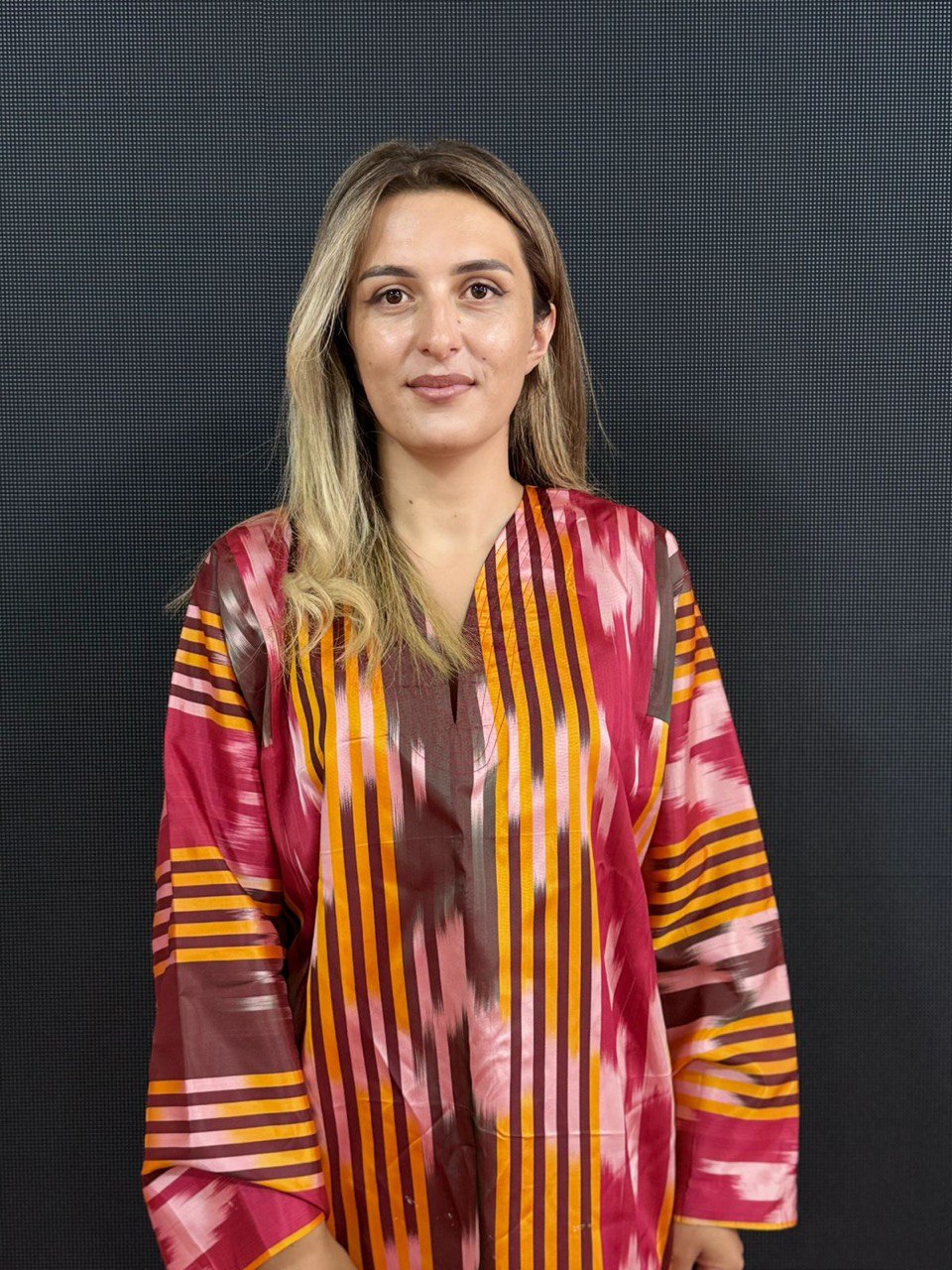
“Every summer, when I returned home from Moscow where I studied, I saw the same picture: children kicking a ball around rusted structures. Everyone said something had to change, but it never went beyond words,” recalls Shirin Rahimbekova, one of the young leaders who decided to act.

It all began with one simple question
Everything changed in 2024 when a group of ten young people—six women and four men—chose not to wait for outside help. They launched a grassroots initiative to restore the stadium and turn it into a vibrant community space. Thus, the “New Life for the Old Stadium” project was born, aimed at reviving the forgotten facility and transforming it into a hub of youth engagement and activity.
During a youth civic participation training organized by NGO “Yunona” with support from UNDP and the Youth and Sports Committee, participants were asked: “What would you change in your town right now?” The answer was unanimous—restore the stadium.
Shirin stepped up as project coordinator, overseeing communication with local authorities, budgeting, procurement, and logistics. It was her first real experience in leadership and public administration.
“I had never held formal negotiations before. Suddenly, I was responsible for meetings, approvals, and project oversight. It was tough, but it was then I realized—I can do this,” she says.
A new field, a new spirit
The transformation took several months. The site was cleared, debris removed, and the ground leveled. In place of ruins now stands a modern sports complex: football and basketball courts lit by solar-powered LED lamps, making evening play possible.
From day one, the stadium came to life. In just a few days, more than 600 youths from Vamar and neighboring villages began using the facility. It became a space for laughter, training sessions, and friendly competitions. Perhaps most significantly, it transformed the dynamic for local girls—once hesitant to enter the rundown stadium, they now come confidently, knowing it’s a safe and welcoming space.
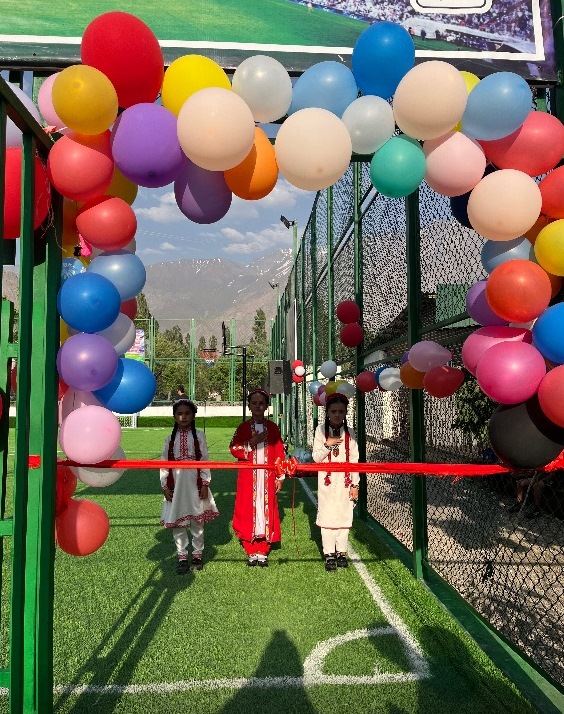
“We didn’t just build a place—we created a reason for people to come together, share ideas, and feel part of something meaningful,” says Shirin.
From one idea to sustainable change
The project’s success quickly drew attention from local authorities. The reconstruction model has been included in the district’s official development plan for 2025. Local business owners, youth departments, and community activists have joined in, turning the initiative into a true public movement.
For Shirin, the experience was transformative. She has since developed her first grant proposal—for a youth club at the local library—and is now assembling a new team inspired by the stadium’s revival.
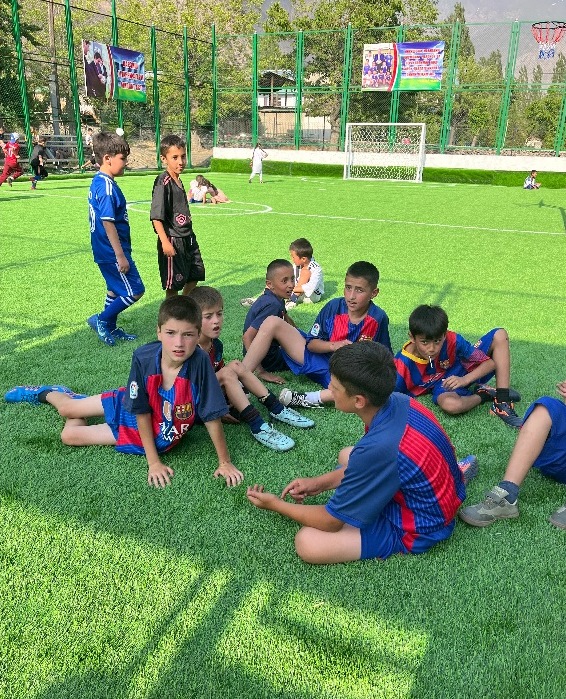
“When you realize you can reshape your reality with your own hands, it’s impossible to stay indifferent. I want others to feel that too,” she says.
Vamar’s story is a powerful example of how one neglected stadium became a catalyst for community renewal. It stands as a testament to what youth can achieve when given trust—not only do they rise to the occasion, they inspire.
As Shirin put it: “When you trust young people, they don’t just meet expectations—they exceed them.”
 Руcский
