




Tajikistan’s Human Rights Commissioner (Ombudsman) has raised serious concerns over the violation of refugee and asylum seeker rights in the country, as outlined in the national refugee law. These findings were included in the Ombudsman’s 2024 annual report, which was recently made public.
The report highlights several challenges refugees face in Tajikistan, including difficulties obtaining refugee status, temporary registration, local integration, employment, access to education, and acquiring proof of residence.
By the end of 2024, Tajikistan hosted 10,753 refugees and asylum seekers, representing 2,670 families, according to official data. Of these, 9,424 individuals (2,140 families) held refugee status, while 1,329 (530 families) were asylum seekers.
A significant majority—around 63% or 6,774 individuals—were Afghan nationals fleeing instability and conflict in their home country.
In comparison, United Nations data from 2022 estimated that Tajikistan was home to approximately 14,000 Afghan migrants and asylum seekers. The UN Refugee Agency (UNHCR) reported 10,381 registered refugees and asylum seekers in Tajikistan as of 2024.
The Ombudsman’s report also states that during 2024, a total of 2,280 people were issued refugee certificates, while 2,591 received temporary registration. However, refugee status was denied to four individuals due to “unsubstantiated or false information.” The report did not specify the nationalities of those denied status.
Deportations and legal concerns raise alarm
In 2024, Tajik authorities deported dozens of Afghan nationals who were residing in the country as asylum seekers. Official reasons for deportation included violations of residency rules, such as improper beard grooming, wearing non-local clothing, alcohol consumption, and engaging in political discussions on social media.
Speaking at a press conference earlier this year, Interior Minister Ramazon Rahimzoda defended the deportations, stating, “Although they had legal residency, if they break the law—they are expelled.”
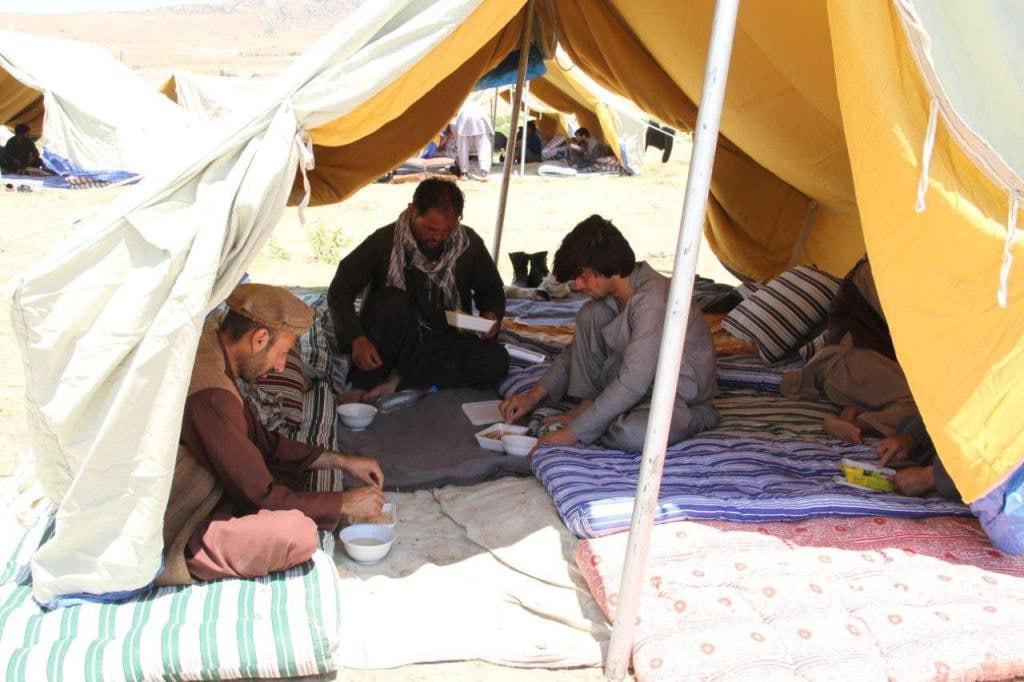
Refugees in Tajikistan are mainly concentrated in Vahdat township subordinate to the center and Jabbor-Rasoulov district in Sughd province. The country has seen a sharp increase in Afghan arrivals since the Taliban returned to power in Afghanistan in 2021. At the time, limited shelter capacity became a pressing humanitarian issue.
However, the Chairman of the Emergencies Committee stated in August that all refugees currently in Tajikistan have been relocated to various cities and districts. He added that there is no immediate threat of a new mass influx of refugees into the country.
The Ombudsman’s report has reignited debate over Tajikistan’s refugee policies, amid growing pressure from international human rights groups to ensure the protection and fair treatment of those fleeing conflict and persecution.
 Руcский
