




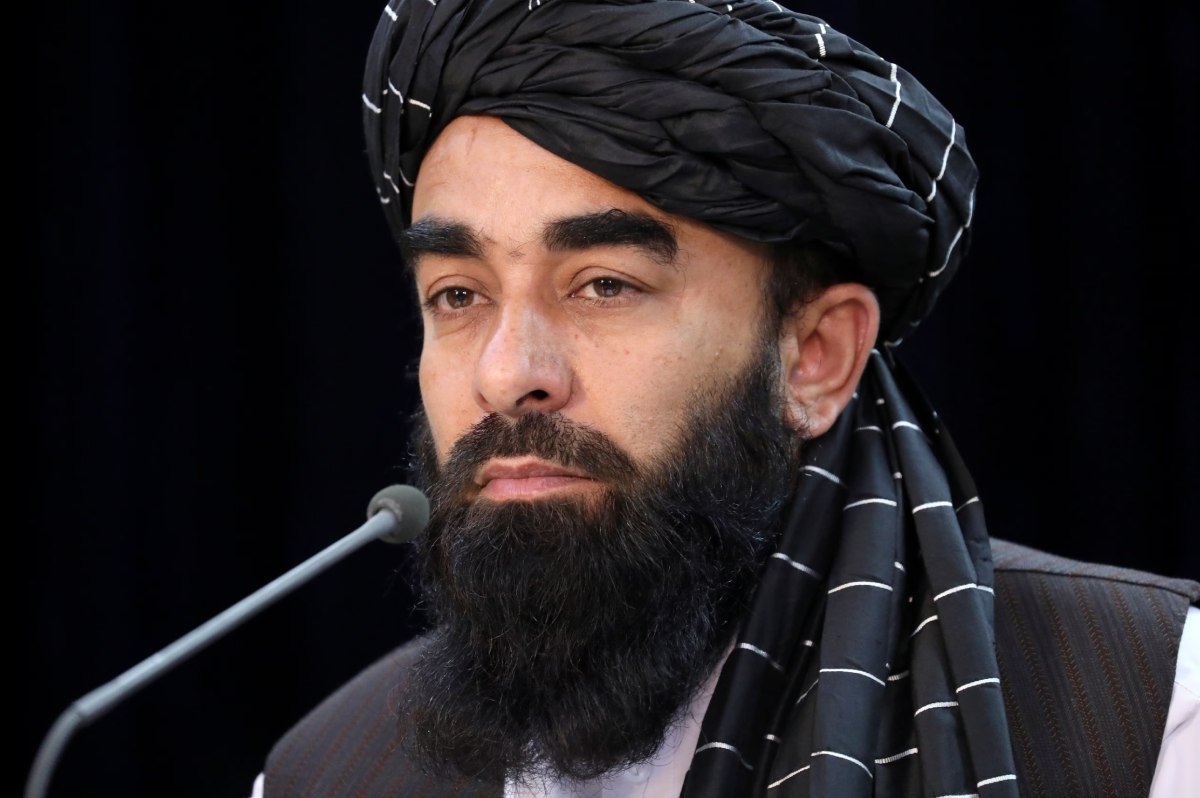
TOLOnews reported on May 6 that Zabihullah Mujahid, a spokesperson for the Islamic Emirate of Afghanistan (IEA), has described relations with Tajikistan as positive and emphasized that there are no problems between the two countries.
He reportedly highlighted the importance of strengthening mutual trust with neighboring countries and stated that security and border-related issues between Afghanistan and Tajikistan are being handled based on international principles.
The spokesperson was cited as saying: “We assure that no harm will come to Tajikistan or any other country from Afghan soil. Additionally, security and border matters between the two nations are being managed according to intergovernmental principles. Afghanistan maintains good relations with border officials on the other side and cooperation has taken place—and continues—in preventing smuggling in certain areas.”
Janat Faheem Chakari, a political analyst, stated: "Afghanistan’s role in relations with its neighbors is highly important, and friendly ties must be maintained, especially with Tajikistan, where political opponents of the Islamic Emirate are based. This makes it vital that Afghanistan-Tajikistan relations remain cordial."
Although the caretaker government has enjoyed relatively good relations with some neighboring countries—such as Uzbekistan, Turkmenistan, and Iran—its ties with Pakistan have been tense at times, with occasional clashes occurring between the two sides.
Tajikistan, compared to other neighboring states, has reportedly had more limited engagement with the caretaker government.
Sayed Abdullah Sadeq, a political affairs expert, stated: "Afghanistan, Pakistan, Iran, and Tajikistan share historical, linguistic, and religious commonalities. These can be used as strategic factors to foster stronger ties among these countries. Afghanistan should also pursue a flexible foreign policy in light of national, regional, and international conditions."
Aziz Maarij, former diplomat, said: "With the rise of the Islamic Emirate in Afghanistan, neighboring countries became concerned about their internal security. Regional instability remains a top concern. Unless the Islamic Emirate establishes a permanent, non-interim government, drafts a constitution alongside Sharia law, and takes serious steps to ensure women’s rights, these countries will continue to doubt Afghanistan’s long-term stability."
Although over 20 diplomatic missions from different countries are currently active in Kabul, and the caretaker government maintains more than 40 political offices abroad, no country—including any of Afghanistan’s neighbors—has officially recognized the Islamic Emirate to date.
Tajikistan's government is the only Central Asian government that has not improved relations with the Taliban. Tajikistan is the strongest critic of the Taliban in Central Asia. Immediately after the Taliban takeover, Tajikistan President Emomali Rahmon vowed not to recognize the Taliban’s Islamic Emirate as it was “formed through oppression.” He has criticized the Taliban for ignoring the rights of ethnic Tajiks in Afghanistan and vowed his support for an inclusive government in the country. However, in mid-September 2024, the media reported on the “unofficial visit” of the head of Tajikistan’s State Committee for National Security (SCNS) Saimumin Yatimov to Kabul and his meeting with the Taliban security chiefs. It was noted that the visit was made to “strengthen bilateral relations between Tajikistan and the Taliban”. Economic interests play their role. Tajikistan exports electricity to Afghanistan and has reopened five markets in border towns where goods are traded on both sides.
 Руcский
